

Superficial vs. Deep Veins: A Comprehensive Guide to Vein Anatomy
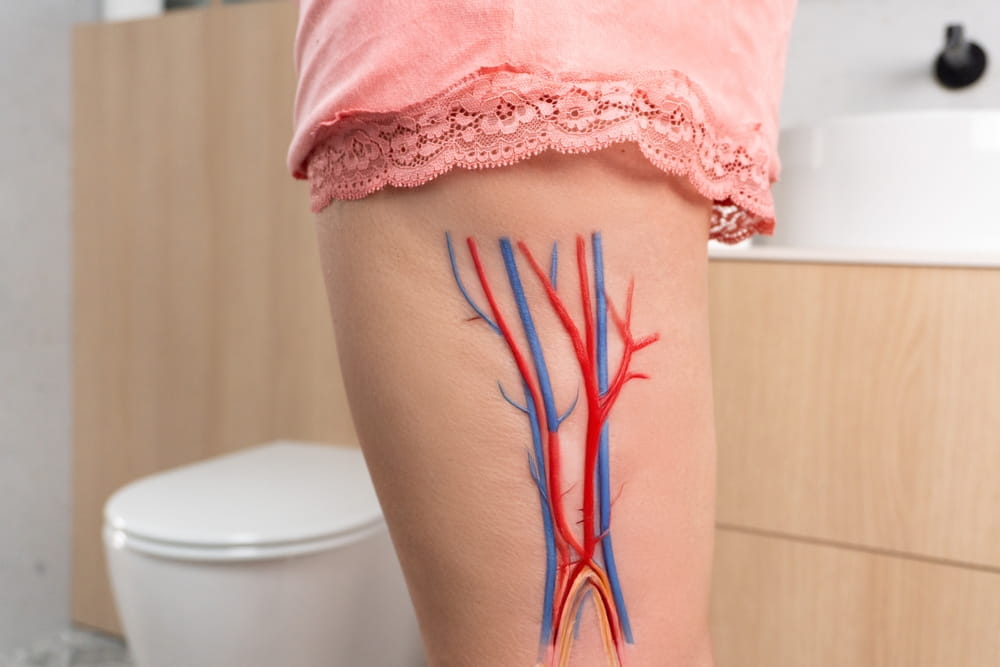
Your veins do far more than create visible lines beneath your skin. Understanding superficial vs. deep veins can help you recognize which changes may be cosmetic and which may need medical attention. Both vein systems work together to return blood to your heart, but they face different problems and risks. When you know how each vein system works, what symptoms to watch for, and when treatment may protect your health, you can make the best decisions for your vein health.
Anatomy of the Venous System
Your venous system is a network of blood vessels that returns oxygen-poor blood from your body back to your heart and lungs. Along the way, your blood carries carbon dioxide and other waste products away from your tissues and organs. After reaching the lungs, the blood receives oxygen before the heart helps pump blood through the arteries and major arteries to supply oxygen-rich blood throughout the body.
The veins in your lower limb are divided into superficial veins and deep veins. Superficial veins sit just beneath the skin in the subcutaneous tissue. Deep veins, however, lie within the muscles and alongside the bones. As their name suggests, deep veins accompany the major arteries, allowing the surrounding muscles to help move blood back toward the heart.
These two systems are connected by perforating veins, which allow blood flow between the superficial and deep veins. One-way valves keep blood moving in the correct direction and prevent it from flowing backward.
Larger veins all carry blood back to the heart, including:
- Great saphenous vein
- Small saphenous vein
- Posterior tibial veins
- Popliteal vein
- Femoral vein
- External iliac vein
- Inferior vena cava
When these veins work as they should, they support healthy circulation and overall vein health.
Functions of Superficial and Deep Veins
Understanding what each vein system does makes it easier to see why some vein problems are mostly cosmetic while others can threaten your health. Although they have different jobs, both systems must work together to keep your circulatory system functioning properly.
Superficial Veins
Superficial veins collect blood from the skin and nearby tissues before directing it into the deeper veins. Because they sit close to the surface, they are the veins you can often see beneath your skin. These veins rely on healthy valves and perforating veins to move blood into the deep veins.
Deep Veins
The deep veins handle most of the blood flow from your leg and the rest of your limbs. Located within the muscles, they use muscle contractions to help carry blood back toward the heart.
Unlike superficial veins, they transport the majority of the blood returning from your legs, making them essential for healthy circulation. Because of their location and importance, problems affecting the deep veins can have serious clinical significance if a clot forms and interrupts normal blood flow.
Common Disorders Affecting the Veins
Vein disorders can develop in either the superficial or deep vein system, and each presents its own challenges. Knowing where these conditions occur and how they affect your veins can help you better understand your symptoms and treatment options.
Superficial Veins
Because superficial veins sit close to the surface, they are more likely to develop visible changes that affect both appearance and comfort. While many of these conditions begin as cosmetic concerns, they can progress over time and signal underlying venous insufficiency if left untreated. They include:
- Varicose veins: Enlarged, twisted veins caused by weakened valves that allow blood to pool, often leading to aching, heaviness, and swelling.
- Spider veins: Small, web-like veins near the skin’s surface that are usually cosmetic but may sometimes indicate early vein disease.
- Superficial thrombophlebitis: Inflammation of a superficial vein, often with a small clot, that causes redness, tenderness, and warmth along the vein.
- Chronic venous insufficiency: Long-term valve failure that prevents normal blood return, increasing pressure in the veins and causing persistent swelling, skin changes, and discomfort.
Common Disorders Affecting Deep Veins
Disorders affecting the deep veins are less visible but often carry greater medical importance. Because these veins transport most of the blood from your legs, problems within them can affect your overall circulation and may require prompt medical evaluation. Conditions may include:
- Deep vein thrombosis (DVT): A condition in which blood clots develop in a deep vein, usually in the calf or thigh, reducing blood flow and requiring immediate medical attention.
- Pulmonary embolism: A life-threatening emergency that can occur when part of a DVT clot breaks away and travels to the lungs, making breathing difficult.
- Post-thrombotic syndrome: Long-term vein damage that can develop after DVT, causing chronic pain, swelling, heaviness, and, in severe cases, irreversible damage to the affected leg.
- Chronic deep venous insufficiency: Damage to the deep vein valves that causes blood to pool, increasing pressure and leading to ongoing swelling, skin changes, and leg ulcers.
Diagnostic Methods for Vein Issues
Many vein conditions cause similar symptoms, so an accurate diagnosis is essential before starting treatment. A vein specialist looks beyond visible veins to identify the underlying cause of your symptoms. This helps determine whether your condition affects the superficial veins, deep veins, or both and ensures you receive the most effective care.
Physical Examination
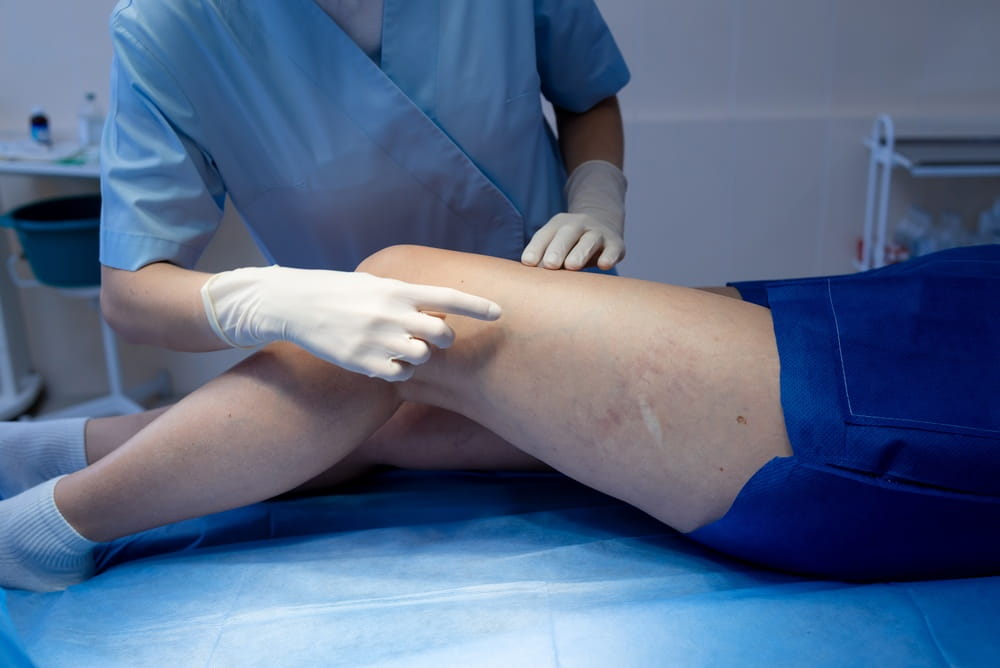
A physical exam is the first step in evaluating your vein health. Your provider reviews your symptoms, medical history, family history, and any factors that increase your risk of vein disease. They also examine your legs for visible varicose veins, spider veins, swelling, skin changes, tenderness, or other signs of poor circulation.
Duplex Ultrasound
A duplex ultrasound is the gold standard for diagnosing most vein conditions. This painless, noninvasive test uses sound waves to create images of your veins while measuring blood flow in real time. It shows how well your vein valves are working, identifies blood clots, detects deep vein thrombosis (DVT), and reveals venous insufficiency or abnormal blood flowing backward through the veins.
Treatment Approaches for Superficial vs. Deep Vein Problems
The right treatment option for vein issues depends on which veins are affected and how advanced the condition has become. Many superficial vein conditions respond well to minimally invasive procedures, while disorders involving the deep veins often require medical management to restore healthy circulation and prevent serious complications.
Treatment for Superficial Vein Problems
Most conditions affecting the superficial veins can be treated with minimally invasive procedures in an outpatient setting with little downtime. These treatments close or remove damaged veins so healthy veins can take over normal blood flow and include:
- Compression therapy: Prescription compression stockings apply graduated pressure to your ankles and legs to improve blood moving toward the heart. This conservative treatment reduces swelling, relieves discomfort, and often serves as the first step before other procedures.
- Sclerotherapy: A specialist injects a medical solution directly into small varicose or spider veins using a fine needle. The solution irritates the vein lining, causing the vein to collapse, seal shut, and gradually fade as the body absorbs it.
- Endovenous laser ablation (EVLA): A thin laser fiber is guided into the affected vein using ultrasound. Laser energy heats and closes the damaged vein, allowing blood to reroute through healthy veins with minimal discomfort and a quick recovery.
- Venefit™ (radiofrequency ablation): A small catheter delivers controlled radiofrequency energy inside the diseased vein. The heat seals the vein closed, improving circulation while avoiding the longer recovery associated with traditional surgical procedures.
- VenaSeal™: A medical adhesive is delivered into the affected vein through a small catheter under ultrasound guidance. The adhesive permanently closes the vein without heat or multiple anesthetic injections, often allowing a faster recovery.
- Microphlebectomy: Tiny incisions allow a specialist to remove large surface varicose veins after numbing the area. Removing these damaged veins relieves symptoms while improving the appearance of the leg.
- Vein stripping: Vein stripping is a traditional surgical procedure that removes a damaged superficial vein through small incisions while you are under general anesthesia. Although it effectively eliminates the source of backward blood flow, it typically requires a longer recovery than minimally invasive treatments and is now reserved for select patients when newer options are not appropriate.
Treatment for Deep Vein Problems
Conditions affecting the deep veins require treatment that protects your circulation and reduces the chance of life-threatening complications. Your provider selects the best approach based on the location of the clot, your symptoms, and your overall health. These approaches include:
- Blood-thinning medications: Anticoagulant medications do not dissolve existing clots, but they prevent them from growing and reduce the chance that new clots will form. This helps lower the risk of pulmonary embolism while allowing your body to gradually break down the clot.
- Catheter-directed thrombolysis: A physician guides a thin catheter into the affected deep vein using imaging guidance. Medication is delivered directly into the clot to dissolve it more quickly and restore normal blood flow in carefully selected patients.
- Mechanical thrombectomy: Specialized devices remove or break apart large clots through a small catheter inserted into the vein. This treatment may be recommended when a large clot threatens circulation or causes severe symptoms.
- Compression therapy and follow-up care: Even after a DVT has been treated, compression stockings and regular monitoring help manage symptoms and reduce the risk of long-term complications such as post-thrombotic syndrome. Ongoing care also helps preserve healthy vein function and improve long-term quality of life.
The Importance of Maintaining Both Superficial and Deep Vein Health
Healthy veins do much more than improve the appearance of your legs. They keep blood circulating efficiently, reduce pressure inside the veins, and help prevent discomfort, swelling, skin damage, and more serious complications. Ignoring early symptoms can allow vein disease to progress, making treatment more complex over time. Lifestyle factors like maintaining a healthy weight, staying active, and seeking care when symptoms first appear can go a long way toward protecting your long-term vein health.
If you notice persistent leg pain, swelling, visible veins, or other signs of vein disease, don’t assume they’re simply part of getting older. A vein specialist can identify whether the problem involves your superficial or deep veins and recommend the most appropriate treatment before complications develop. Early evaluation not only relieves symptoms sooner but also helps protect your circulation and overall quality of life.
Get Answers, Personalized Care, and Lasting Relief at Nelson Vein
Understanding the difference between superficial and deep veins gives you the knowledge to make informed decisions about your health. While some vein conditions affect appearance, others can impact circulation and lead to serious complications if left untreated. Recognizing the signs early and seeking the right evaluation can make a meaningful difference in your long-term vein health.
At Nelson Vein & Surgical Services, we believe every patient deserves to understand their diagnosis and treatment options. We take the time to review your ultrasound results, answer every question, and create a personalized treatment plan that fits your needs. We also welcome family members to be part of the conversation so you feel informed and supported every step of the way.
If you’re experiencing leg pain, swelling, varicose veins, or other symptoms of vein disease, don’t wait for them to worsen. Schedule a consultation with Nelson Vein & Surgical Services today and let us help you restore healthier circulation with expert, compassionate care.