
Occupational Hazards for Veins: Tips for Those Who Stand or Sit All Day
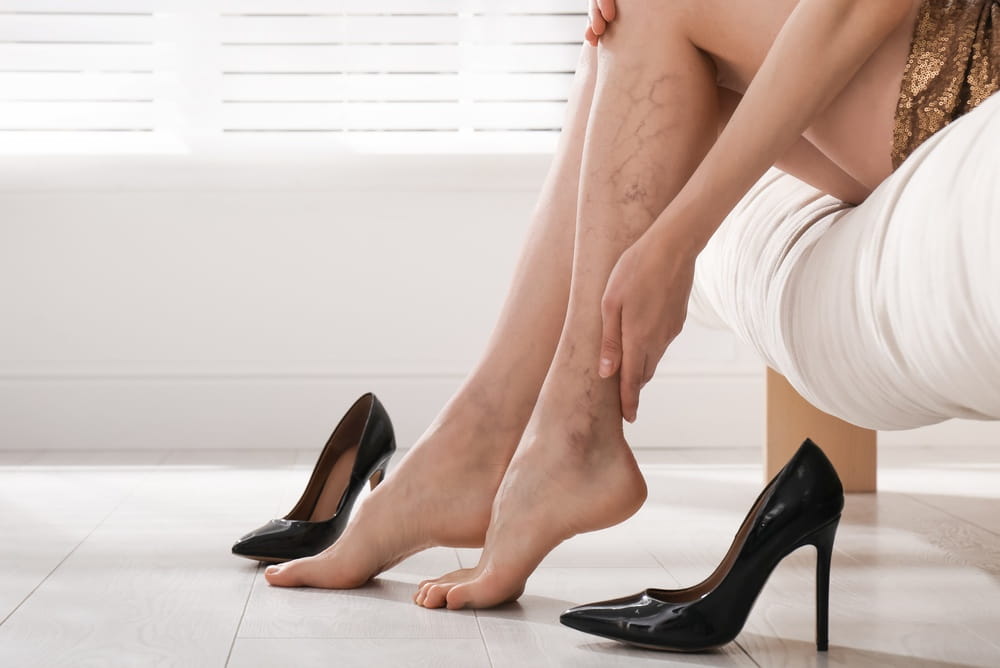
If your job keeps you on your feet or at a desk for most of the day, you may be exposed to occupational vein health risks without even realizing it. The way you work can affect your blood flow, increase pressure in your leg veins, and raise your risk of future vein problems. The good news is that a few simple habits can go a long way toward protecting your vein health.
Understanding how daily work activities affect your veins can help you recognize risks early, support healthy circulation, and take practical steps to prevent long-term vein damage.
Jobs That Increase Risk of Vein Problems
While having one of these jobs does not guarantee future vein problems, these occupations are associated with a higher risk of developing circulation and vein-related issues over time:
- Nurses
- Physicians
- Surgeons
- Teachers
- Retail Workers
- Hair Stylists and Barbers
- Restaurant Servers and Bartenders
- Factory Workers
- Warehouse Employees
- Construction Workers
- Truck Drivers
- Office Workers
- Call Center Representatives
- Airline Pilots
- Flight Attendants
How Standing and Sitting All Day Affects Vein Health
Your veins depend on movement to keep blood traveling in the right direction. When you spend long periods standing or sitting, your body has to work harder to maintain healthy circulation. Over time, this can increase vein pressure, affect vein function, and contribute to a variety of vein conditions.
Effects of Prolonged Standing on Vein Health
Jobs that require prolonged standing can place significant strain on the veins in your legs. When you remain upright for extended periods, gravity makes it harder for your veins to return blood to the heart. This can cause blood to pool in the lower legs, increasing pressure on the vein walls and slowing proper blood flow.
Over time, this extra pressure may contribute to developing varicose veins, spider veins, and other forms of venous insufficiency. People in physically demanding jobs often experience symptoms such as leg heaviness, swelling, fatigue, and leg pain after spending hours on their feet. Without preventive measures, these changes can gradually affect long-term vascular health.
Impacts of Sitting for Extended Periods
While standing presents challenges, prolonged sitting can create its own set of circulation problems. When you remain seated for prolonged periods, especially with little movement, the muscles that normally assist with helping veins push blood back toward the heart become less active. This can slow blood circulation and make it easier for blood to collect in the legs.
This lack of movement can contribute to poor circulation, increase the risk of blood clots, and create conditions that are favorable for vein disease such as chronic venous insufficiency. Many office workers spend hours sitting at a desk each day, often without realizing the impact it can have on their overall well-being and health. Regular movement throughout the workday is one of the most effective ways to keep blood moving and support healthy veins.
Tips to Reduce Occupational Hazards for Veins
The good news is that many work-related vein risks can be reduced with simple daily habits. Small changes in how you sit, stand, and move throughout the day can support healthy circulation, reduce strain on your veins, and promote long-term vein health. The key is being proactive before minor circulation concerns become larger problems.
Ergonomic Solutions for Workplace Vein Care
Whether you spend your workday standing, sitting, or a combination of both, the right workplace habits can make a meaningful difference. These practical solutions help support better circulation, reduce vein pressure, and protect your vascular health over time.
- Wear compression stockings to apply gentle pressure to the legs and help prevent blood from pooling.
- Choose proper footwear to reduce strain on your legs and improve comfort during long hours of standing.
- Use a sit-stand workstation to encourage consistent movement and avoid staying in one position for too long.
- Place a footrest under your desk to improve posture and support healthy blood circulation while sitting.
- Take short walking breaks every hour to keep blood moving and reduce the effects of prolonged sitting and prolonged standing.
- Elevate your legs during breaks to reduce swelling and help blood return to the heart more efficiently.
- Stand on anti-fatigue mats to reduce pressure on your feet and legs during extended periods of standing.
- Stay hydrated throughout the day to support healthy circulation and reduce the risk of poor circulation.
- Adjust your workstation so your chair, desk, and monitor encourage proper posture and comfortable movement.
- Keep both feet flat on the floor instead of crossing your legs to promote healthier blood flow through the legs.
Exercises and Stretches for On-the-Job Vein Health
You do not need a gym membership or a lengthy workout to support your veins at work. Simple movements performed throughout the day can improve blood flow, encourage healthy circulation, and reduce the effects of sitting or standing in one position for too long.
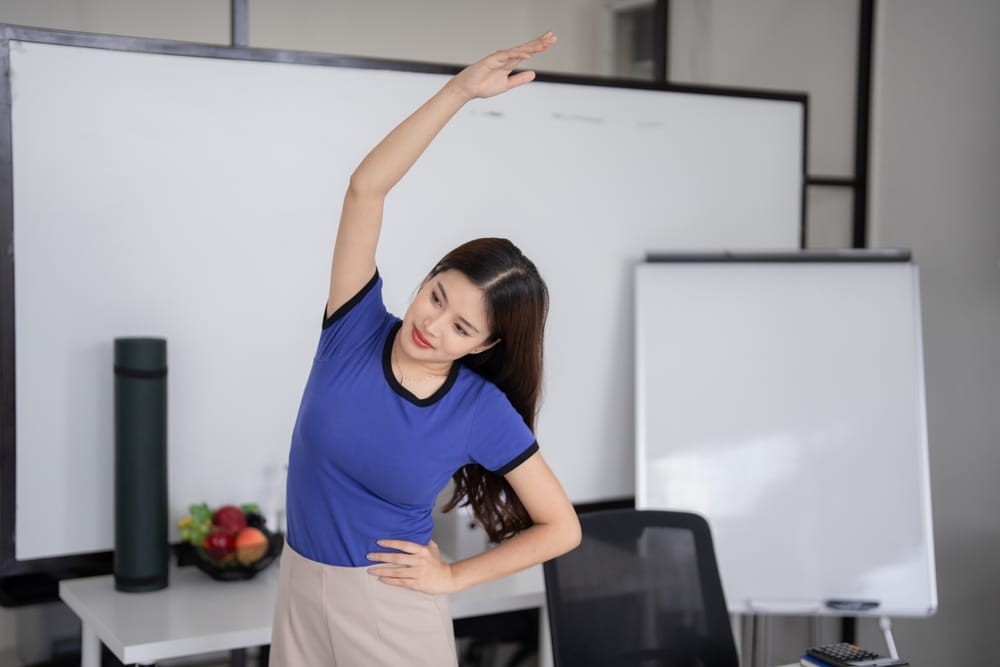
These exercises and stretches are easy to perform in most workplace settings and can help support long-term vein health. You can do each for 10-15 repetitions on each side throughout the day:
- Calf Raises: Stand with your feet hip-width apart and slowly raise your heels off the floor before lowering them back down. This activates the calf muscles, which play a key role in helping move blood back toward the heart and reducing blood pooling in the legs.
- Ankle Rotations: While seated or standing, lift one foot and slowly rotate your ankle in circles before switching directions. This movement encourages blood circulation in the lower legs and helps prevent stiffness during extended periods of sitting or standing.
- Marching in Place: Lift your knees one at a time as though you are walking without moving forward. This simple exercise promotes blood moving through the legs and helps counteract the effects of prolonged sitting.
- Standing Calf Stretch: Place your hands against a wall, step one foot back, and gently press the back heel into the floor. Stretching the calves can reduce muscle tightness and support healthy movement patterns that benefit circulation.
- Seated Hamstring Stretch: Sit near the edge of a chair and extend one leg straight while leaning forward slightly from the hips. This stretch helps relieve tension in the legs and encourages better movement after sitting for long periods.
- Hip Flexor Stretch: Step one foot forward into a shallow lunge and gently shift your weight forward until you feel a stretch in the front of the hip. This can help offset tightness caused by desk work and promote healthier movement throughout the workday.
Balancing Work Demands With Vein Health Needs
Protecting your veins does not require choosing between your health and your job responsibilities. Instead, focus on building small habits into your daily routine that support venous health without disrupting your workflow. Simple actions such as those mentioned above can help reduce vein pressure and support healthy circulation throughout the workday.
It is also important to pay attention to your body’s early warning signs. Symptoms such as swelling, leg heaviness, fatigue, visible veins, or leg pain may indicate developing circulation problems. Taking action early can help reduce future health risks and prevent minor vein issues from becoming more serious conditions. If you are regularly experiencing symptoms, consider speaking with a healthcare professional about additional protective measures, treatment options, and whether early intervention may help preserve your long-term vascular health and well-being.
Protecting Your Vein Health Before Small Problems Become Bigger Ones
Whether you spend your days standing, sitting, or constantly moving, your work environment can have a lasting impact on your vein health. While some occupational risk factors cannot be avoided, small daily habits can help support healthy circulation, reduce strain on your veins, and lower your risk of future vein problems. Paying attention to symptoms and taking preventive action today can make a meaningful difference in your long-term health.
At Nelson Vein & Surgical Services, we believe that education is one of the most important tools for protecting your health. Our team takes the time to understand your symptoms, evaluate your circulation, and create personalized recommendations based on your unique needs. From prevention strategies to advanced professional minimally invasive treatment, we are committed to helping you maintain healthy veins and an active lifestyle.
If you are experiencing leg pain, leg heaviness, swelling, visible veins, or other signs of a vein condition, don’t wait for symptoms to worsen. Contact Nelson Vein & Surgical Services today to schedule a consultation and learn how our experienced team can help you protect your vein health for years to come.