

Medical vs. Cosmetic Vein Treatment: The Differences Explained
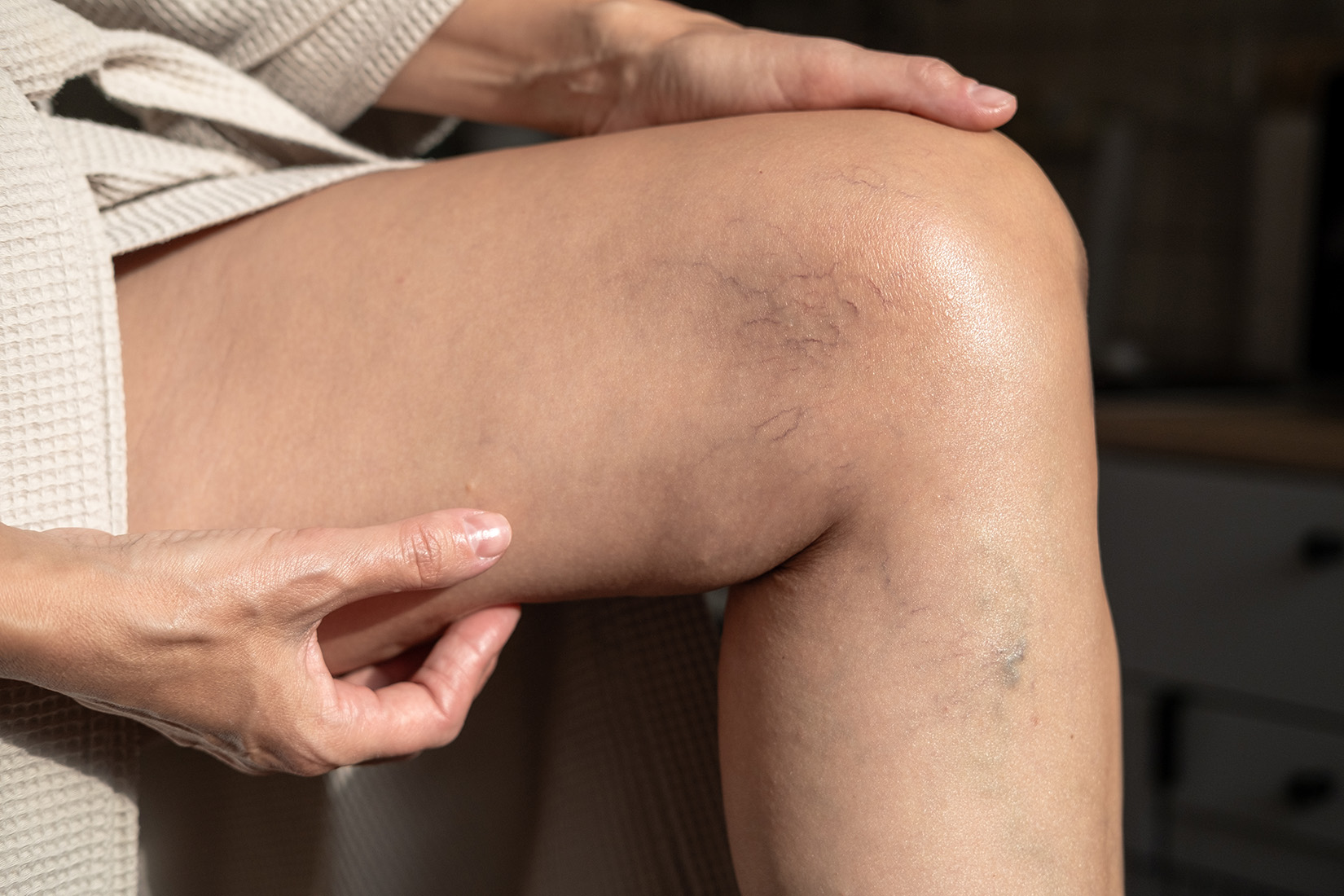
Not all vein problems are the same, and they may affect some in different ways than others. Some veins are simply a cosmetic concern, while others may signal an underlying vein disease that can worsen over time if left untreated. Comparing medical vs. cosmetic treatment and understanding the differences is the first step toward choosing the right vein treatment for your health, comfort, and confidence.
In this guide, you’ll learn how medical and cosmetic vein treatments differ, which symptoms may require medical treatment, and how today’s minimally invasive treatments can help improve both vein health and appearance.
Defining Medical and Cosmetic Vein Issues
Many people assume all vein problems are cosmetic. In reality, some vein conditions affect appearance only, while others can impact your health and require medical vein treatment. Understanding where your symptoms fall can help you know when it’s time to see a vein specialist.
Cosmetic Vein Issues
Cosmetic vein issues often stem from appearance rather than health problems. Common causes include sun exposure, hormonal changes, and family history. Some common issues include:
- Visible spider veins: These small red, blue, or purple veins appear near the skin’s surface in a fine, web like pattern. For many people, they are primarily cosmetic and do not cause physical symptoms.
- Small varicose veins: Some small varicose veins create mild bulging or discoloration without causing discomfort. Many patients seek cosmetic vein treatment for these visible veins to improve confidence in their appearance.
Medical Vein Issues
Medical vein issues may affect both your appearance and your overall health, indicating underlying conditions. Some common medical vein problems include:
- Bulging varicose veins: Larger, twisted, or bulging varicose veins often signal an underlying vein disease. These damaged leg veins can interfere with healthy blood flow and worsen over time.
- Chronic Venous insufficiency: Venous insufficiency occurs when valves inside the venous system stop working properly. Blood flows backward instead of returning efficiently to the heart, causing pressure to build in the lower extremities.
- Symptomatic vein disease: When vein problems cause leg pain, swelling, heaviness, itching, restless legs, or painful pressure, they are no longer cosmetic. These symptoms often indicate venous disease that may benefit from medical treatment.
- Advanced vein disease: As vein issues progress, you may develop skin discoloration, skin changes, inflammation, or damage to the surrounding tissue. Without proper treatment, these complications can become more difficult to manage.
- Deep vein thrombosis: Deep vein thrombosis is a serious condition involving blood clots in deeper veins. Unlike cosmetic vein concerns, this condition requires prompt medical evaluation and treatment.
Health Risks Associated With Untreated Veins
It can be tempting to ignore vein problems if they seem minor at first. However, many forms of vein disease become progressively worse when left untreated. What starts as small varicose veins or occasional discomfort can develop into more significant vein conditions that affect your daily life and overall health.
As pressure builds inside the affected vein, you may experience worsening swelling, leg pain, heaviness, restless legs, and increasingly uncomfortable veins. Over time, chronic venous insufficiency can lead to skin discoloration, other skin changes, and damage to the surrounding tissue. In more serious cases, untreated venous disease can increase the risk of complications such as skin ulcers, inflammation, and even blood clots, including deep vein thrombosis. Early evaluation can help identify problems before they become more difficult to treat.
Insurance Coverage for Vein Treatments
Many people are surprised to learn that not all vein treatment is handled the same way by insurance companies. The deciding factor is usually whether the condition is considered a medical problem or a cosmetic concern. Understanding the difference can help you avoid unexpected costs and make informed decisions about your care.
In general, cosmetic vein treatment and other cosmetic vein procedures performed for cosmetic reasons that do not cause symptoms or affect your health are not covered by insurance. Medical vein treatment, on the other hand, may qualify for insurance coverage when there is evidence of an underlying vein disease. Insurance providers often look for symptoms such as leg pain, swelling, heaviness, painful pressure, skin changes, or documented venous insufficiency. They may also require imaging studies that show abnormal blood flow within the venous system.
Many insurance plans also require patients to try conservative measures before approving treatment. This may include compression therapy, in which you wear compression stockings that are medical-grade for a specific period of time. Requirements vary by provider, so it is important to review your individual policy.
Comparing Medical and Cosmetic Treatment Options
Not all vein treatments are designed to accomplish the same goal. Some focus on improving appearance, while others address the underlying cause of symptoms and poor vein function. The right approach depends on whether you are dealing with cosmetic vein issues, a medical condition, or a combination of both.
Cosmetic Treatment
Cosmetic vein treatment focuses on improving the appearance of visible veins near the skin. These treatments are often chosen by patients who are bothered by cosmetic veins, visible spider veins, or other cosmetic concerns but do not have significant symptoms.
The main cosmetic treatment available is sclerotherapy. In this minimally invasive procedure, a vein specialist makes a small incision through which they inject a specialized solution into small veins near the skin’s surface, causing them to close and fade over time. This treatment is commonly used for spider veins treated for cosmetic purposes and some small varicose veins.
The long-term outlook for cosmetic treatments is generally very good. Most patients experience noticeable improvement in the appearance of treated veins. However, these treatments do not stop new veins from forming, especially when risk factors such as family history, prolonged standing, and hormonal changes remain present.
Medical Treatment
Medical vein treatment focuses on restoring healthy blood flow, reducing symptoms, and preventing complications from venous disease. These procedures address the underlying source of vein disease rather than simply improving appearance. Besides compression therapy, they may also include:
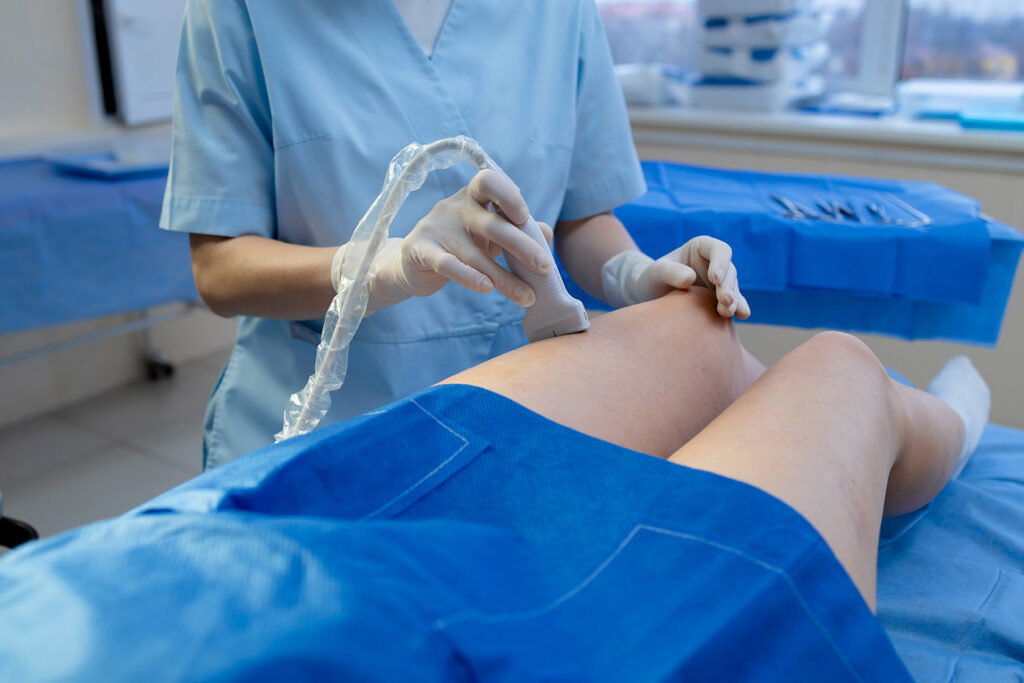
- Endovenous Laser Ablation (EVLA): During EVLA, a provider uses ultrasound guidance to place a thin fiber into the affected vein. Laser energy seals the damaged vein, allowing blood to reroute through healthier vessels. This treatment is commonly used for varicose veins, bulging veins, and venous insufficiency.
- Radiofrequency Ablation: Similar to laser treatment, radiofrequency ablation (also known as Venefit™) uses heat generated by radiofrequency energy to close a diseased vein. It is frequently used as a varicose vein treatment for larger veins affected by venous insufficiency.
- VenaSeal™ Closure System: This treatment uses a medical adhesive to seal the diseased medical vein without heat. It is often used to treat larger varicose veins and improve abnormal blood flow.
- Microphlebectomy: Through tiny skin openings, a provider removes bulging varicose veins from the leg. This procedure is often recommended for large surface veins that cause symptoms or significant cosmetic concerns.
The long-term outcomes for medical treatments are often both functional and cosmetic. By correcting abnormal blood flow, these procedures help relieve symptoms, reduce the risk of progression, and improve overall vein care. Many patients return to normal activities quickly, and today’s minimally invasive techniques are considered the gold standard treatment for many forms of vein disease.
Results are often long-lasting, with many treated veins remaining closed for years. However, no vein treatment can prevent every future vein problem. New vein issues may develop over time due to factors such as aging, family history, prolonged standing, pregnancy, or ongoing pressure within the venous system. Regular follow-up care and healthy lifestyle habits can help reduce the risk of recurrence and support lasting results.
Choosing Between Medical Necessity and Cosmetic Improvement
How do you know whether your vein concerns are cosmetic, medical, or both? A good starting point is to focus on your symptoms, not just appearance. If you have visible spider veins or other visible veins that do not cause discomfort, you may be primarily interested in cosmetic treatment. However, if you experience painful symptoms or worsening bulging veins, an underlying medical condition may be contributing and call for medical treatment.
It is also important to consider whether your vein concerns are affecting your daily life. Symptoms that occur after prolonged periods of standing or sitting or that interfere with exercise, work, or sleep may point to venous insufficiency or another form of vein disease. Because many medical vein problems begin with subtle symptoms, appearance alone is not always a reliable way to determine whether treatment is medically necessary.
The best way to make an informed decision is to schedule an evaluation with a vein specialist. A thorough examination and diagnostic ultrasound can identify problems within the venous system, evaluate blood flow, and determine whether your concerns are cosmetic or medical. Based on those findings, a board-certified physician can recommend the most appropriate treatment options and create a personalized treatment plan that supports both your health and your goals.
Not Sure If Your Veins Need Medical Treatment? Get Answers From the Experts
The difference between medical and cosmetic vein treatment is not always obvious. While some vein concerns affect appearance alone, others may signal underlying vein disease that can worsen over time. Understanding the cause of your symptoms is the first step toward protecting your health and achieving the results you want.
At Nelson Vein & Surgical Services, we believe informed patients make better decisions. That’s why we take the time to explain your diagnosis, review your ultrasound findings, answer your questions, and develop a personalized treatment plan based on your unique needs. Whether your concerns are cosmetic, medical, or both, you deserve clear answers and expert guidance from a team that puts your care first.
If you’re experiencing vein issues, don’t wait to get evaluated. Contact us today to schedule a consultation and learn which minimally invasive treatment options may be right for you. With advanced care, compassionate support, and a commitment to patient education, we are here to help you achieve healthier veins and lasting peace of mind.