

Hormonal Changes and Vein Health: What Every Woman Should Know

Your veins are constantly responding to changes happening inside your body, even if you aren’t thinking about them. Hormonal changes and vein health are closely connected, especially for women across different life stages. If you have ever noticed spider veins, varicose veins, or leg discomfort at certain times, there is often a hormonal reason behind it.
Understanding this connection can help you protect your long-term vein health and feel more in control of your body at every stage of life. Learning how hormones like estrogen and progesterone affect your veins and why certain phases increase your risk factors will help you be able to support strong, healthy veins at every stage of life.
The Role of Hormones in Vein Function
Your veins are not just passive tubes moving blood. They are dynamic structures that respond to what is happening inside your body. Vein health hormones play a major role in how well your veins function, especially when it comes to maintaining proper blood flow and preventing vein issues.
Your veins are like elastic bands. Over time, repeated stretching weakens the material. Hormonal fluctuations work similarly, gradually reducing the vein wall’s ability to snap back and maintain steady blood flow.
For example, higher levels of estrogen and progesterone can relax the vein walls, which may weaken vein structure over time. This reduces the veins’ ability to push blood efficiently, which can lead to blood pooling in the legs. When this happens, you may start noticing visible veins or early signs of developing spider veins.
At the same time, shifts in hormone levels can impact vein elasticity, making veins less able to return to their original shape after stretching. This contributes to developing varicose veins, especially if other risk factors are present.
Puberty and Its Effect on Vein Health
Puberty is often the first time your body experiences significant hormonal changes, and these shifts can begin to impact your vein health earlier than you might expect. As estrogen and progesterone levels rise, your body adapts to rapid growth, changes in blood volume, and increased demands on your blood vessels. These early hormonal changes can start to shape how your veins function long-term.
During this stage, hormonal fluctuations can relax the vein walls, which may slightly reduce their strength and efficiency. This can affect how well your veins maintain steady blood flow, especially in the legs. While symptoms are often mild, some individuals may begin developing spider veins or noticing faint visible veins, particularly if there are underlying risk factors like genetics or prolonged standing.
Although serious vein problems are less common at this age, puberty sets the foundation for future vascular health and how your body responds to hormonal shifts later in life. Paying attention to early vein symptoms and maintaining a healthy lifestyle can help support strong, healthy veins and reduce the likelihood of developing varicose veins over time.
Menstrual Cycle Fluctuations and Vein Issues
Your menstrual cycle brings predictable yet powerful hormonal fluctuations each month. These shifts in estrogen and progesterone can directly impact your vein health, even if you do not immediately connect the two. If you notice your legs feel heavier or you see more spider veins at certain times of the month, your hormones may be playing a role.
Higher progesterone levels, in particular, can cause veins to dilate, which may lead to mild blood pooling and increased pressure in the legs. This can make existing varicose veins more noticeable and may contribute to developing spider veins over time.
These monthly hormonal changes can also temporarily worsen symptoms of venous insufficiency, such as heaviness, fatigue, or subtle leg pain. While these effects are often short-lived, repeated hormonal cycles can gradually contribute to venous insufficiency or worsen existing vein conditions over time. If you notice consistent leg heaviness or discomfort around your cycle, it is worth discussing with a vein specialist.
Pregnancy-Related Hormonal Changes and Veins
Pregnancy is one of the most impactful times for vein health because your body undergoes rapid and intense hormonal changes. During this stage, estrogen levels and progesterone levels rise significantly, while blood volume expands to support your growing baby. These combined changes place extra pressure on your blood vessels and can increase your risk of vein issues.
As hormones rise, they relax the vascular walls, which can weaken them and reduce how effectively blood moves upward. At the same time, the growing uterus places pressure on the pelvic veins, making it harder for blood to return to the heart. This can lead to blood pooling, increased vein pressure, and a higher chance of developing spider veins or varicose veins, including larger varicose veins in some cases.
Because of these hormonal shifts, pregnancy is also linked to a higher likelihood of venous insufficiency and noticeable symptoms like leg swelling and discomfort. This is why many women are at an increased risk of developing spider veins during this time. Movement, proper compression support, and maintaining a healthy weight can all help reduce strain on your veins during pregnancy. These small steps support better circulation and can make a meaningful difference in how you feel.
Hormone Replacement Therapy and Vein Health
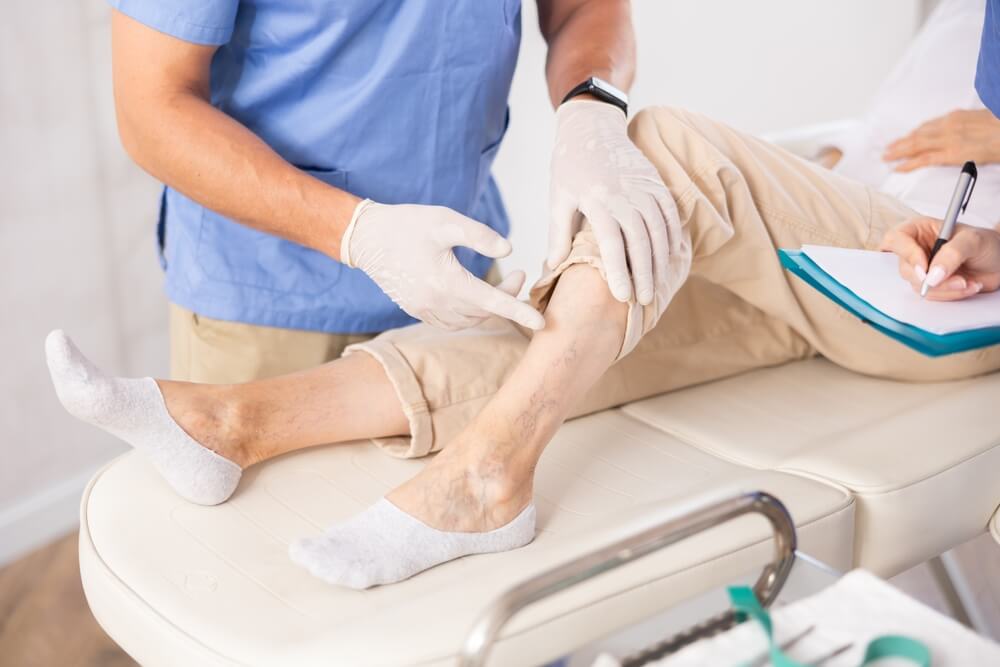
Estrogen levels decline as you age, which can affect your overall circulation and weaken vein walls. To support vein health, some women turn to hormone therapy, including hormone replacement therapy.
While this can support hormonal balance, hormone therapy can impact how your blood vessels function and how efficiently your body maintains steady blood flow in response to hormonal changes. In some cases, this may contribute to an increased risk of varicose veins, spider veins, or worsening symptoms of venous insufficiency. Understanding how these treatments affect your vascular health can help you make informed decisions and know when to seek care from a vein specialist.
If you are currently using or considering hormone replacement therapy, talking with a vein specialist about your vascular health is a smart step. A comprehensive evaluation can give you a complete piture of your vein health so you can make informed decisions.
Other Options for Vein Health
If hormones are affecting your veins, you are not limited to managing symptoms alone. Today’s minimally invasive treatments focus on improving vein health, restoring proper circulation, and reducing the appearance of visible veins with minimal downtime. Here are several effective options for treating vein conditions caused or worsened by hormonal fluctuations:
VenaSeal™: A medical adhesive is delivered into the vein to close it, allowing blood to reroute to healthier veins without heat or multiple needle sticks.
- VenaSeal™: A medical adhesive is delivered into the vein to close it, allowing blood to reroute to healthier veins without heat or multiple needle sticks.
- Endovenous Laser Ablation (EVLA): A laser fiber is guided into the vein using ultrasound, where targeted energy seals the vein and improves overall blood flow.
- Venefit™ (Radiofrequency Ablation): Radiofrequency energy heats and closes the vein, helping reduce varicose veins and restore normal circulation.
- Sclerotherapy: A solution is injected into smaller veins, causing them to collapse and fade. While often associated with cosmetic improvement, schlerotherapy also addresses symptomatic small veins.
- Micro Phlebectomy: Small incisions are used to remove larger varicose veins, offering visible improvement with minimal discomfort.
- Compression therapy: Wearing compression stockings helps support circulation and reduce symptoms like swelling and heaviness in the legs.
These treatments are designed to restore proper circulation, relieve symptoms, and improve both function and appearance so you can regain your confidence while protecting your long-term vein health.
Your Veins Deserve Specialized, Compassionate Attention
Your body goes through many hormonal changes over time, and each one can quietly impact your vein health. The good news is that with the right knowledge and support, you can take meaningful steps to protect your long-term vascular health. Early care can make a real difference in preventing more advanced vein problems and helping you feel more comfortable in your body.
At Nelson Vein & Surgical Services, we focus on education, personalized care, and advanced treatments designed around you. We take the time to walk you through your condition, explain your options, and create a customized treatment plan that fits your needs and lifestyle. We also welcome your family to be part of the conversation. Whether that means answering a partner’s questions or having a loved one present during your procedure, we believe the best care inclues the people who matter most to you.
Schedule your consultation today and take the first step toward healthier, more confident legs. Because no one can take better care of you than we can.