

Unna Boot Compression Therapy: A Comprehensive Guide
A simple bandage can make a big difference when a wound refuses to heal. If your doctor recommends an Unna boot for a slow-healing leg wound, knowing how it works can help you feel more confident about your treatment.
This specialized compression therapy supports circulation, protects damaged skin and creates the right environment for healing. Understanding the purpose of this treatment also makes it easier to follow your care plan and achieve the best possible results.
What Is an Unna Boot?
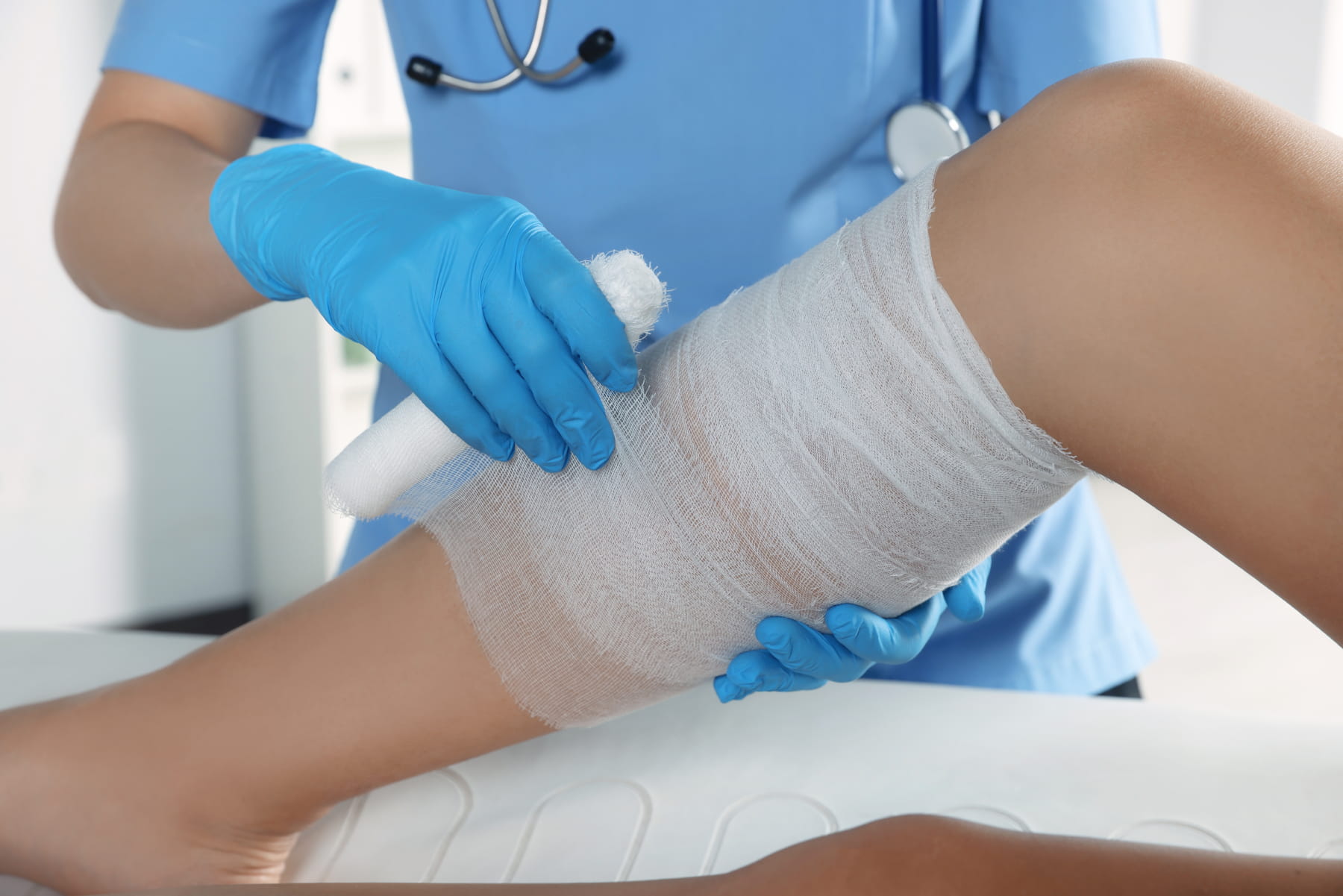
An Unna boot is a special type of compression dressing used to treat venous leg ulcers, venous stasis ulcers and edema in the lower leg. This treatment uses a cotton bandage impregnated with zinc oxide paste, and sometimes calamine lotion and glycerin. The Unna boot bandages are wrapped around the foot, ankle and leg to protect the wound, manage drainage and provide gentle compression while allowing you to continue many normal daily activities.
How It Works
The healing process begins when your healthcare provider applies the bandage from the base of the toes to just below the knee with your ankle joint held at a 90-degree angle. The impregnated gauze and gauze bandage help keep the affected area moist while the zinc oxide helps soothe the skin, relieves itching and reduces inflammation.
An outer elastic bandage, elastic wrap or ace bandage provides consistent compression, working with muscle contraction as you walk to improve circulation. This combination helps with promoting healing while protecting the wound dressing throughout the treatment process.
What to Expect When Wearing an Unna Boot
Once your Unna boot is applied, you can usually return to most normal daily activities, including walking, which helps the compression work more effectively. The dressing should stay clean and dry, so avoid getting it wet while bathing or swimming.
In most cases, you can leave the boot on for up to 7 days. Typically, your doctor will change the bandage every 7 to 10 days, depending on the amount of drainage, the condition of the wound and your doctor’s instructions. If drainage is heavy, your doctor will change the bandage every 3 to 4 days.
You’ll usually return to the clinic once or twice a week for changes. The team will also clean your ulcerations when the boot is changed. Between visits, avoid removing or adjusting the wrap yourself, but you should check your toes daily to make sure they remain warm and their normal color.
You should contact your healthcare provider right away if you notice that the bandage:
- Feels unusually tight
- Causes increasing pain, numbness or unusual swelling above the boot
- Develops an unpleasant odor.
By following these home care instructions, you can help protect the wound, maintain the effectiveness of the treatment and support steady healing.
The History of the Unna Boot
The Unna boot has been used for more than a century to help treat venous ulcers and other chronic wounds of the lower leg. It was developed in the late 1800s by Paul Gerson Unna, a German dermatologist known for his work in skin diseases and wound care. He created a cotton bandage impregnated with zinc oxide paste to protect damaged skin, manage drainage and support the body’s natural healing response. The treatment became known as the Unna boot in recognition of its inventor, and has remained a trusted option for treating venous leg ulcers ever since.
The boot evolved as new materials and techniques became available. Modern versions often combine impregnated gauze with zinc oxide, glycerin and sometimes calamine lotion to soothe the skin and relieve itching while protecting the affected area.
An outer elastic bandage or elastic wrap is commonly added to provide consistent compression, making the treatment more effective for today’s patients. Although the dressing has been refined over the years, its original goal remains the same: supporting circulation, protecting the wound and promoting healing.
The Benefits of the Unna Boot
When a wound takes weeks or even months to heal, the right treatment makes a significant difference. Unna boot compression therapy provides consistent compression, protects damaged skin and creates an environment that supports the healing process. For many people with venous leg ulcers, this combination improves comfort while helping the wound heal.
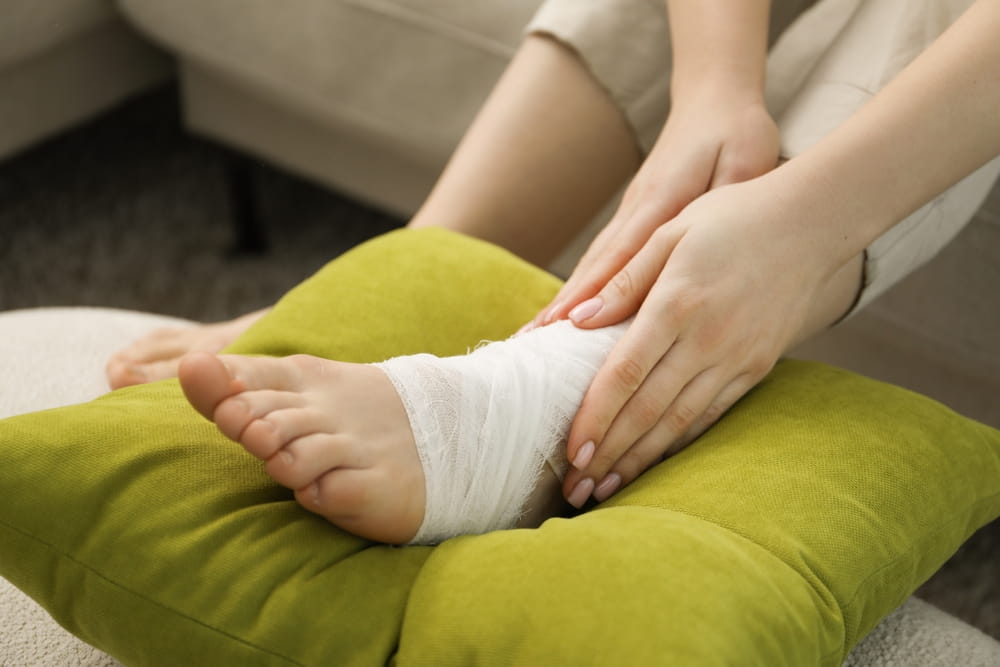
How does this specialized compression dressing help? The following sections explain the key benefits of an Unna boot and why healthcare providers often recommend it as part of a comprehensive wound care treatment plan.
Improved Blood Flow
The main benefit of an Unna boot is better circulation. The compression works with your calf muscle contraction to move blood upward toward the heart instead of allowing it to pool in the lower leg. This helps reduce pressure in the veins and supports faster healing.
Reduces Swelling
Poor circulation often causes fluid to collect in the leg, leading to edema. An Unna boot provides consistent compression that helps move excess fluid out of the tissues. As swelling decreases, the patient becomes more comfortable and mobility improves.
Promotes Wound Healing
A healthy healing environment is essential for chronic wounds. The wound dressing helps keep the affected area moist while protecting it from outside contaminants. This supports the natural healing process and encourages healing from the inside out. In fact, research shows that Unna boots have a 91% healing rate for first-time ulcers.
Protects the Skin
Fragile skin around chronic wounds is easily damaged. The zinc oxide paste in the impregnated gauze creates a protective barrier that helps prevent skin irritation, reduces inflammation and shields the surrounding skin from excess moisture and drainage.
Helps Manage Drainage
Many leg ulcers produce excess fluid that slow recovery. The boot’s gauze layers absorb this drainage while still protecting the wound. This creates a cleaner environment that supports better wound care.
Relieves Discomfort
An Unna boot helps reduce symptoms that often accompany chronic wounds. By controlling swelling and supporting circulation, it often lessens pain and decreases itching caused by irritated or healing skin. Many patients report increased comfort as the treatment progresses.
Supports Daily Activity
Unlike some treatments that require extended bed rest, an Unna boot is designed to work while you move. Walking activates muscle contraction, which increases the effectiveness of the compression. This allows many people to continue normal daily activities while receiving treatment.
May Reduce the Need for More Invasive Treatments
When used early and as directed by healthcare professionals, an Unna boot can help chronic wounds heal before they worsen. For some patients, the wound care and proper compression provided by an Unna boot reduces the need for more advanced treatments.
Don’t Let a Chronic Wound Slow You Down; Find Expert Care at Nelson Vein
Living with a chronic wound affects your comfort, mobility and quality of life, but you don’t have to manage it alone. Understanding how an Unna boot works is an important first step toward making informed decisions about your care. With the right diagnosis, treatment and ongoing support, many venous leg ulcers heal successfully while helping prevent future complications.
At Nelson Vein & Surgical Services, we believe that informed patients achieve better outcomes. We take the time to explain every step of your treatment plan, answer your questions and involve your family if you choose. Led by Dr. Dvora Nelson, our team provides personalized wound care using advanced, minimally invasive treatments tailored to your needs.
If you have a slow-healing wound, swelling, or symptoms of venous disease, don’t wait for the problem to get worse. Contact Nelson Vein & Surgical Services today to schedule a consultation and learn whether an Unna boot or another treatment option is right for you.