
Vein Stripping
Living with varicose veins can affect more than your appearance. When your legs ache, feel heavy, or develop persistent swelling, it may signal deeper problems within your veins. Over time, untreated venous disease can lead to skin discoloration, open sores, and even venous skin ulcers.
Vein stripping, also known as varicose vein stripping, is a varicose vein surgery designed to remove varicose veins that are severely damaged and restore healthy blood flow in your leg veins. This time-tested surgical treatment is often recommended to treat large varicose veins that do not respond to conservative care.
What is Vein Stripping?
Vein stripping is a procedure that removes an affected vein from your leg. It is often performed together with ligation, a technique that ties off the vein before removal. This combined approach is called vein ligation and stripping.
During varicose vein stripping, small cuts are made near the groin and lower leg. The surgeon performs ligation to stop blood from entering the faulty vein. The vein is then gently removed through the incision using a specialized instrument. This process eliminates backward blood flow caused by venous reflux.
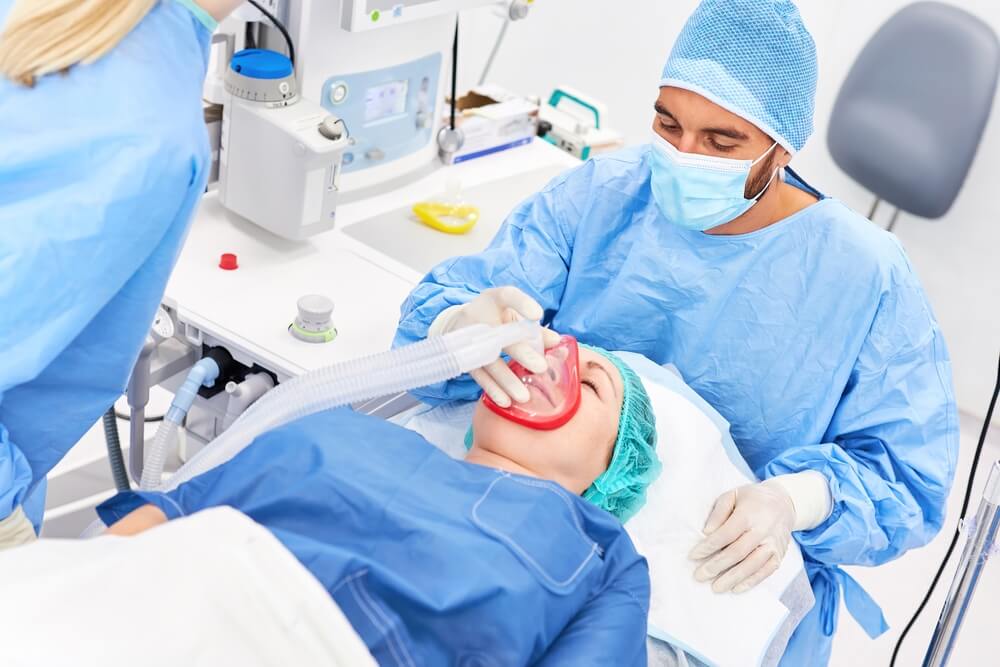
Unlike newer minimally invasive techniques, traditional stripping surgery typically requires general anesthesia. This procedure is considered when large varicose veins cause ongoing pain, swelling, or complications from chronic venous insufficiency.
By removing the affected vessel, vein stripping helps prevent venous skin ulcers and further venous disease.
Why You Might Need Vein Stripping
Your provider may recommend vein ligation and stripping if you have:
- Large varicose veins that are bulging and painful
- Persistent leg ache or heaviness
- Ongoing swelling in the lower leg
- Skin discoloration or early open sores
- Recurrent varicose vein bleeds
- Symptoms of chronic venous insufficiency
- Complications such as superficial blood clots
Some people pursue varicose vein surgery for cosmetic reasons, such as treating smaller varicose veins or superficial veins, though this is not as common. Others need surgery to address worsening medical conditions related to poor circulation.
If your veins are causing health problems, including fluid buildup or signs of poor blood circulation, it may be time to consider stripping vein ligation.
Risks and Potential Complications
Every surgery carries some risk. When performed by an experienced vascular surgery specialist, vein stripping is generally safe. Still, possible complications may include:
- Temporary bruising or bleeding at the incision site
- Mild to moderate pain
- Swelling in the treated leg
- Minor scarring
- Numbness near the removed vein
- Rare infection
- Development of blood clots
Because vein ligation and stripping involves removing the damaged vein, the recurrence rate of that specific vein is low. However, other veins may become affected over time, especially if underlying venous insufficiency persists.
Preparing for the Surgery
Before varicose vein stripping, your provider will:
- Review your medical history and current medications
- Discuss risks related to blood thinners
- Perform ultrasound imaging to map the superficial and deep veins
- Evaluate for signs of deep vein involvement
- Explore anesthesia options and expected recovery time
You may be asked to fast several hours before surgery. Because general anesthesia is commonly used, you will need someone to help you get home.
What Happens During Vein Stripping
Before the Procedure
- You will change into a gown and lie comfortably.
- The leg veins are marked.
- The surgical team confirms the plan using prior ultrasound imaging.
- Anesthesia is administered. Most cases call for general anesthesia, though some may involve sedation.
During the Procedure
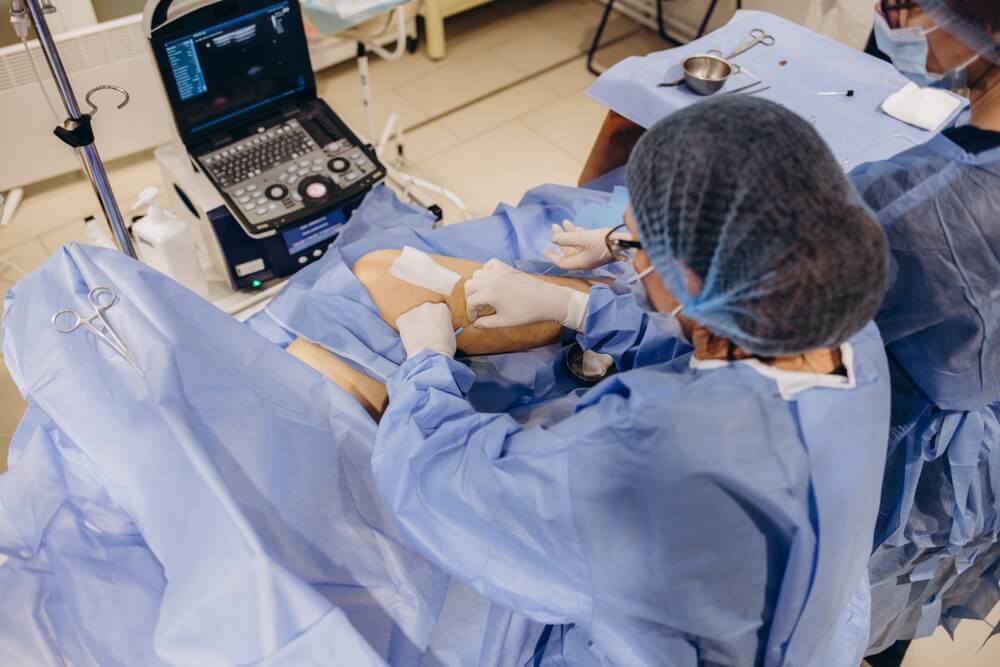
- Small cuts are made near the groin and lower leg.
- The surgeon performs ligation to close off the vein and prevent further pooling of blood.
- A thin device is inserted through the vein.
- The diseased vessel is gently pulled out.
- The incisions are closed.
The entire procedure usually lasts one to three hours.
After the Procedure

- You are monitored while the anesthesia wears off.
- Your leg is wrapped to reduce swelling and bleeding.
- You will be encouraged to walk to promote circulation and reduce the risk of blood clots.
Recovery and At-Home Care
Recovery from vein ligation and stripping takes longer than newer procedures. Most patients need two to four weeks before they can fully resume normal activity.
Here is what you can expect during the recovery period:
- Mild pain and tightness in the treated leg
- Temporary swelling
- Some scarring along the incision lines
- Gradual improvement in symptoms
For best results, you should elevate your leg when resting and walk daily to maintain healthy blood flow. It’s also best to avoid heavy lifting during early recovery and wear recommended compression stockings. Following these steps reduces the risk of infection and blood clots.
Next Steps and Follow-Up
Follow-up visits ensure proper healing. Your provider may check for any remaining damaged veins or evaluate the deep veins if symptoms persist.
Call your provider if you notice:
- Severe pain
- Worsening swelling
- Persistent bleeding
- Signs of infection at an incision
- Sudden chest pain or shortness of breath (may indicate blood clots)
Early treatment can prevent serious complications, such as venous skin ulcers and progression of venous disease.
Why Choose Nelson Vein Treatment Center?
At Nelson Vein Treatment Center, no one can take better care of you than we can. Dr. Dvora Nelson is a board-certified surgeon with deep expertise in vein ligation and stripping, advanced minimally invasive vein procedures, and comprehensive venous disease management.
We take time to review your ultrasound findings with you and your family. We explain every step of your treatment plan and answer any questions you or your family may have. Family members are welcome in consultations and during procedures when appropriate.
If varicose veins are interfering with your daily activities, we are here to help you understand your options and choose the safest, most effective solution.
Fill out the form below or call (440) 617-6061 to schedule your consultation today. Let us help you restore comfort, confidence, and healthy circulation in your legs.

Schedule Your Consultation
To request a Vein Stripping consultation, fill out the form below or call us at 440-617-6061.