

What Actually Happens During a Varicose Vein Diagnosis
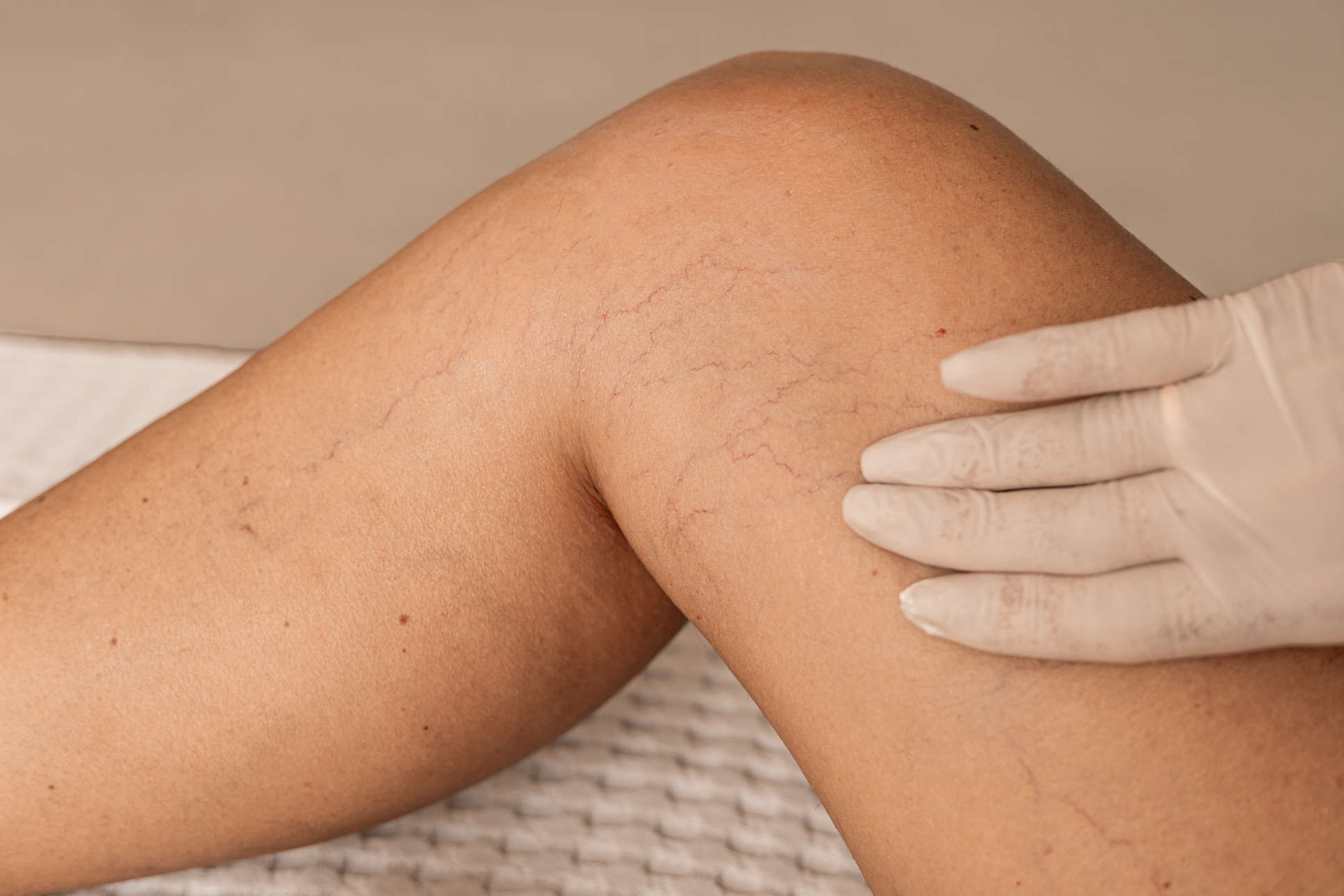
Concerned about visible or uncomfortable leg veins? Learn how diagnosing varicose veins works and what to expect when you visit Nelson Vein and Surgical Services in Cleveland.
What Diagnosing Varicose Veins Involves
Diagnosing varicose veins involves looking at both what is happening on the surface of your legs and how blood is moving through the veins underneath. Your evaluation includes a physical exam and a painless, non-invasive duplex ultrasound to assess your veins and blood flow.
At Nelson Vein and Surgical Services, Dr. Dvora Nelson conducts a visible exam and ultrasound to gain a clear picture of your vein health and which treatments may be suitable. You won’t be asked to commit to any treatment. The duplex ultrasound provides detailed information about both superficial and deep veins, including the direction of blood flow, in a low-stress, first step before any treatment decision.
Signs You May Need a Diagnostic Evaluation
Visible veins aren’t always a sign of a serious problem, but certain changes mean it’s a good time to have your veins checked. Symptoms related to varicose veins and venous insufficiency can develop gradually, so pay attention to changes in how your legs look and feel.
Your provider may recommend a diagnostic evaluation if you have:
- Bulging, twisted, or discolored veins that have become more noticeable.
- Aching, heaviness, or tired legs that get worse after long periods of standing or sitting.
- Swelling in your legs, feet, or ankles, or leg cramps, including cramps at night.
- Darkening or other changes in the skin around your ankles or lower legs.
Don’t wait until your symptoms become severe to seek a medical evaluation. A diagnostic visit can help determine whether your symptoms are related to varicose veins or another venous condition and whether further care should be considered.
What Happens During Your Diagnostic Visit
Knowing what will happen during your visit can make the diagnostic process feel much more straightforward. Your evaluation includes a physical exam, a review of your symptoms and medical history, and duplex ultrasound testing to look more closely at the veins and blood flow in your legs.
Physical Exam and Symptom Review
Your visit begins with a closer look at your legs. Dr. Nelson will examine the appearance of your veins and look for signs such as swelling, changes in skin color or texture, and other visible changes
Dr. Nelson will also discuss when your symptoms began, whether they are changing, how much time you typically spend standing or sitting, and whether varicose veins or other vein problems run in your family.
Duplex Ultrasound Testing
The name ‘duplex’ comes from the two types of ultrasound it combines. One creates images of your veins, and the other, called Doppler, measures the direction and speed of blood flow. Both happen at the same time using a single handheld device moved gently over your skin. A duplex ultrasound is painless and non-invasive. It uses sound waves, not radiation, and involves no needles.
During the ultrasound, the blood flow can be assessed to see whether blood is moving backward through veins due to the valves not functioning properly. This backward flow is called venous reflux. Duplex ultrasound is an established method for evaluating the anatomy and function of leg veins and identifying patterns of reflux.
How Long a Visit Takes
Your diagnostic evaluation is performed in the office and includes both the physical examination and ultrasound testing. The appointment length usually ranges from 30-60 minutes.
There is generally no special preparation for a venous ultrasound. You can arrive as you normally would and wear comfortable clothing that allows the care team to examine your legs easily. If you have previous vein imaging or relevant medical records, bring them with you so Dr. Nelson can review them as part of your evaluation.
What Your Results Can Mean
Your ultrasound and physical exam give Dr. Nelson a clear picture of how your veins are functioning and whether venous reflux or other changes are contributing to your symptoms. Your results, along with your symptoms and medical history, help determine what type of care makes sense for you.
With mild or early-stage vein disease, your care may focus on monitoring your condition, compression, and lifestyle guidance to support healthy circulation. Treatment may not be necessary right away.
If your findings indicate moderate or more advanced vein disease, or your symptoms are becoming more difficult to manage, Dr. Nelson will discuss whether treatment is appropriate. She will explain the vein treatment options suited to your diagnosis, such as sclerotherapy, a minimally invasive procedure, or a combination approach.
Your diagnosis provides the foundation for that conversation, so you can understand your options and make an informed decision about your care.
Why Choose Nelson Vein for Your Diagnosis
When you’re seeking answers about your vein health, convenience and continuity of care can make the process easier. At Nelson Vein and Surgical Services, your diagnostic evaluation takes place in the same office where you can receive treatment.
In-office diagnostics: Your physical exam and duplex ultrasound will be performed in the office, so you don’t need to arrange a separate appointment with an outside imaging center for your vein evaluation.
Continuity of care: Dr. Nelson will evaluate your veins, review your ultrasound findings, and, when treatment is appropriate, provide your care. Having the same specialist from diagnosis through treatment means your care stays connected from one step to the next.
Local vein care: Nelson Vein and Surgical Services provides vein care for patients in Cleveland and surrounding communities throughout Northeast Ohio. Having specialized vein care nearby makes it easier to stay engaged with your care, from your initial diagnosis through any recommended treatment.
FAQs
What does it mean to be diagnosed with varicose veins?
Varicose veins are enlarged, twisted veins that develop when blood does not move efficiently back toward the heart. When vein valves do not close properly, blood can flow backward, called venous reflux, causing blood to collect in the affected veins.
How should I prepare for a varicose vein diagnostic appointment?
Bring your insurance card, a list of medications, and any previous vein imaging or medical records you have. It can also help to note when your symptoms started and when they tend to worsen. Wear comfortable clothing that allows your legs to be examined easily.
How accurate is duplex ultrasound for diagnosing varicose veins?
Duplex ultrasound is an established and reliable test for evaluating varicose veins and venous reflux. It allows your provider to examine your veins, assess blood-flow patterns, and identify whether blood is flowing backward through faulty valves. Vascular-surgery guidelines recommend duplex ultrasound as the primary imaging test for evaluating venous reflux.
Do all visible veins mean I have varicose veins?
No. Visible veins can have several causes, and not every prominent vein is a varicose vein. Spider veins, for instance, are smaller, superficial veins that typically appear as fine red, blue, or purple lines. A diagnostic evaluation can help distinguish between different types of vein concerns.
Is a varicose vein diagnosis painful or invasive?
The diagnostic process is non-invasive. The physical exam does not require needles or anesthesia, and duplex ultrasound sends soundwaves over your skin through a handheld device. You may feel light pressure during the ultrasound, but there is no injection or incision involved.
If changes in your veins have you concerned, getting answers is the first step. Schedule a diagnostic evaluation with Dr. Nelson to better understand your vein health and discuss whether treatment may be appropriate.